 DSA Signage
The retail landscape is constantly evolving due to continuous innovation and the push toward digital transformation. Still, customer experience remains a central focus, as it directly influences brand loyalty and purchasing decisions. Today’s consumers are increasingly seeking convenience and personalization in their shopping experiences, which has forced retailers to reevaluate their strategies.
Retailers aiming to prioritize customer experience have turned to static and digital signage. These tools allows store owners and managers to display in-store content, targeted promotions, and immersive experiences that engage customers. Those who successfully leverage static or digital signage are often rewarded with higher customer satisfaction, repeat business, and positive word-of-mouth, all of which contribute to sustained growth. Discover more about static and digital signage for retail stores and the impact it has.
Benefits of Static and Digital Signage in Retail
Retailers who incorporate static and digital signage in their stores are met with numerous benefits that enhance customer experience and operational efficiency. Key advantages include:
Enhances Visual Appeal
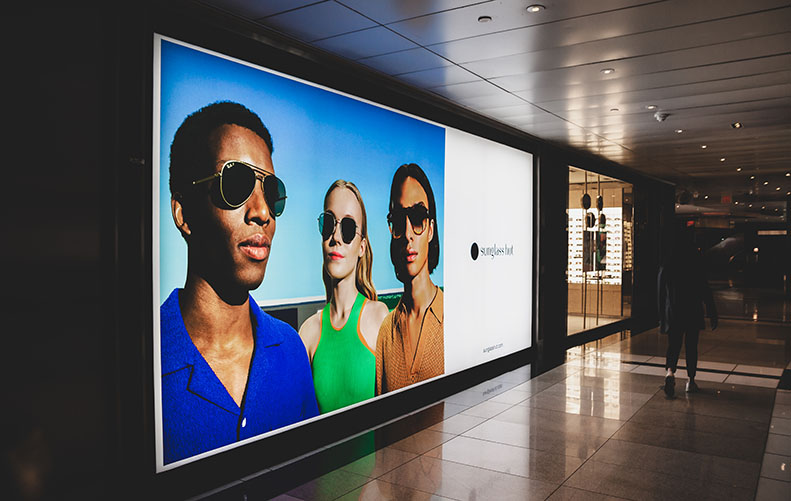
Static and Digital signage creates visually appealing, dynamic displays that effectively capture the attention and engage customers. The eye-catching displays in storefront windows or high-traffic areas can lure onlookers and passersby into the store who may have not otherwise entered.
Dynamic content showcased on digital signage is much more successful at grabbing the interest of consumers than static signage. This is because digital signage can broadcast videos, animations, and interactive elements, which are more captivating than static images on traditional signs.
Personalized Shopping Experience
Static and Digital signage plays a significant role in delivering a personalized shopping experience, which is becoming a demand in today’s retail environment. Customer data, such as past purchases, can be used to display personalized product recommendations and special offers for targeted ads. Furthermore, retailers can deliver tailored messaging and real-time promotions to specific audiences based on factors like location, time of day, or customer demographics. This ensures marketing efforts resonate more efficiently with various customer segments, increasing the likelihood of conversions.
Improved Navigation
Customer experience involves all touchpoints of the consumer journey, including in-store. The goal of engaging customers doesn’t end once consumers step foot in the retail space. Very often, retailers fail to meet expectations because they neglect the in-store experience. One common factor in negative in-store experiences is confusing retail layouts. Digital signage can help improve navigation within retail settings by providing clear, intuitive wayfinding solutions that help customers find what they are looking for more efficiently. Wayfinding kiosks can display directions specific to departments or sale events, which can help to reduce frustration and time spent searching for specific products, making the shopping experience smoother.
Increases Engagement
Keeping customers engaged is critical, especially in a market as competitive as retail. Doing so leads to higher customer satisfaction, increased loyalty, improved brand perception, and ultimately, higher sales. Consumers who feel valued and understood are more likely to choose a brand over competitors.
In addition to highlighting special promotions and new product launches, dynamic content displayed by digital signage in retail spaces can include entertaining videos, trivia, and more. This strategy helps to provide an immersive shopping experience and keep customers in-store longer. Digital signage in retail environments can also display social media posts from actual customers to bolster authority, increase awareness, build customer loyalty, and foster engagement.
Real-World Applications of Digital Signage: Improving Customer Experience
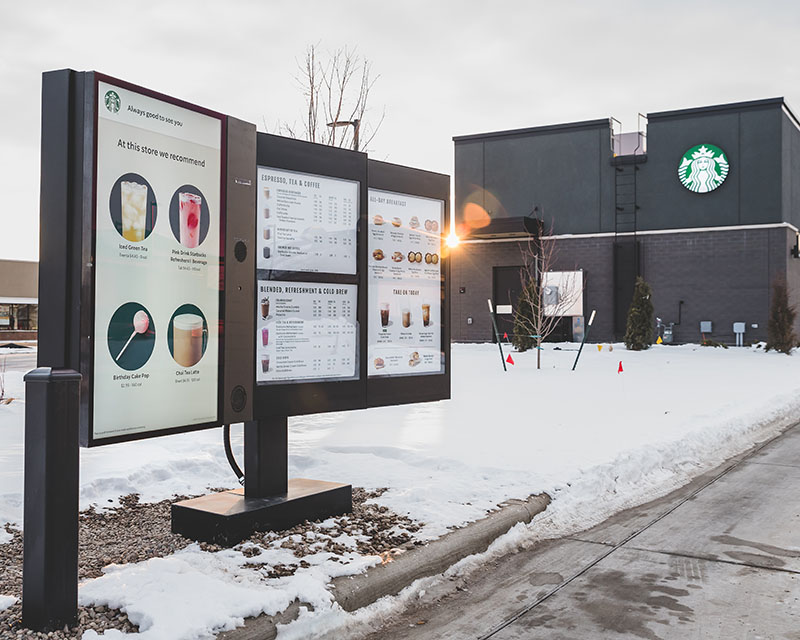
More and more retailers are embracing the shift toward digital transformation and integrating digital signage to improve the customer experience. They use dynamic content to promote sales and discounts, display product demonstrations, and upsell through in-store campaigns. Some examples of how this technology has been applied in real-world applications include:
Enhancing the Royal Hawaiian Center Experience
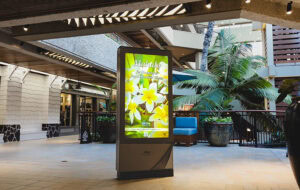
DSA Signage collaborated with SkyHi Media to transform the customer experience at the Royal Hawaiian Center, including a focus on integrating static signage with new digital signage technologies. The project included a variety of products working together to create a harmonious guest experience, including – interactive kiosks, LED video walls, digital displays, and static light boxes. The focus was on balancing aesthetics and functionality to match the unique location. The result was increased advertising revenue and a visually appealing environment, cementing its status as a premier shopping destination. Read the entire Royal Hawaiian Center Case Study to learn more about this project.
Impact on Operational Efficiency
In addition to its impact on customer experience, digital signage in retail can have a profoundly positive impact on operational efficiency. By displaying product information, promotional updates, and wayfinding suggestions, digital signage answers common customer queries, reducing the workload on staff. This frees retail team members to focus on other customer interactions that affect the overall experience, such as resolving issues.
Traditional signage requires manual updates, which takes time and includes the involvement of store employees. They are tasked with changing promotions, price tags, and other materials, limiting their availability to manage other duties. Digital signage automates this process, as content can be updated remotely from a central location. In addition to helping save time, this approach saves costs on printing materials, contributing to a more sustainable and cost-effective retail environment.
How to Implement Digital Signage Effectively
When integrating digital signage into a retail space, achieving desired results requires a well-thought-out strategy. When considering your strategic approach, consider the following:
- Make sure digital signage is right for your brand and space.
- Define clear objectives to guide decisions.
- Choose and invest in the right technology that fits your retail space.
- Curate engaging and relevant content that is fresh.
- Maintain consistent branding, such as colors, fonts, and logos, across all displays to reinforce brand recognition.
- Measure success through metrics like dwell time and sales uplift and refine content strategies to improve effectiveness.
- Train employees on how to interact and troubleshoot the digital signage system.
Elevating Retail with Digital Signage
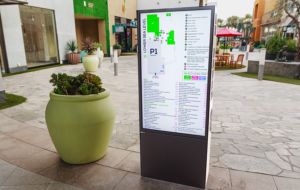
Digital signage continues to play a major role in adding value to retail spaces by enhancing customer engagement, providing real-time information, and offering personalized content that aligns with consumer needs. Retailers should ask themselves if digital is the right option for their business. If there is a constant need of updates and changes to marketing collateral that is front-facing, digital signage might make sense to invest in.
DSA Signage offers outdoor and indoor digital signage technology to help your brand stand out from the competition and improve customer experience. For more information about our services and products, or to request a quote, contact us today. See how DSA Signage has helped retail stores proudly display their products through custom static and digital signage.