 DSA Signage
Signage is one of the few elements in a commercial project that intersects design intent, code compliance, brand expression, and construction sequencing all at once. It influences how people move through a space, how they interpret it, and whether the building ultimately passes inspection. If you are an architect, signage is less of a finishing detail and more of a specification decision that benefits from early coordination with the right partner.
For architects working on commercial projects, this guide breaks down how to choose a signage provider. Rather than focusing on vendor capabilities, you need to focus on the criteria that distinguish a reliable commercial signage partner from a vendor that may introduce risk mid-project. If you are evaluating options, these are the factors that will directly impact integration, compliance, and schedule performance.
Criterion 1: Full Life Cycle Support — From Specification to Post-Installation
Many signage vendors enter a project at the fabrication stage. By that point, you have already made key design decisions, often without input from the manufacturer responsible for executing them. That disconnect can lead to compromises in material selection, mounting strategy, or overall integration.
You need to look for full life cycle support from your signage provider for construction projects. This means that the provider you choose will be able to engage during design development, contribute to material and engineering decisions, manage fabrication, coordinate installation, and remain available for post-installation needs such as graphic updates or digital content support.
One of the most consequential phases in signage delivery is the submittal and shop drawing process, but in practice, this is also where many projects begin to experience friction. For an architect, this phase is part of construction administration, when your decisions are compressed, response times are short, and coordination between trades is already under pressure.
What you need to look for is a provider who treats submittals as an engineering exercise rather than just a formality. Shop drawings should clearly define dimensions, tolerances, mounting methods, wiring pathways, and interface conditions with adjacent systems. This includes coordination with millwork, glazing, electrical rough-in, ceiling systems, and finish materials. If any of these interfaces is assumed rather than explicitly detailed, the risk shifts back to your design team during review cycles.
When a provider understands the design intent early, they can align fabrication details with architectural systems rather than retrofitting solutions later. This reduces field conflicts, minimizes redesign, and results in signage that feels integrated into the architecture rather than applied after the fact.
At this stage, value engineering pressure often appears. Signage is frequently targeted for substitution or simplification due to cost or schedule constraints. A strong signage partner helps to protect design intent during these discussions by providing clear performance equivalencies and explaining the downstream impact of material or construction changes. Without that advocacy, signage can be unintentionally reduced in quality or consistency during value engineering rounds.
DSA supports the full project life cycle, working with architects, designers, and general contractors from early specification through installation and ongoing support. That continuity ensures that your design intent will carry through to the final execution.
Criterion 2: Manufacturing Quality and UL-Listed Standards

Illuminated signage in commercial buildings is subject to inspection. Products that fail to meet electrical safety standards can delay occupancy or require costly reworking. This is where the distinction between a custom signage manufacturer and a reseller becomes critical.
What to look for: You need to demand UL-Listed signage for all illuminated products. This designation confirms that the product meets established safety standards for electrical components and construction.
When specifying products, use precise compliance terminology. ‘UL Certified’ is often used broadly and may not reflect the same level of evaluation as ‘UL Listed.’ For field installed products subject to inspection, specifying ‘UL Listed’ helps ensure the complete assembly has been evaluated for its intended use.
Material quality is equally important. Signage installed in high-traffic environments or exposed to environmental conditions must be built with commercial-grade materials appropriate to the application. Interior signage, exterior signage, and illuminated architectural elements each have distinct durability and thermal requirements that need to be explicitly addressed in submittals.
DSA manufactures all illuminated signage products in the United States and ensures that they are UL-Listed. With more than 50 years of engineering and manufacturing experience, DSA produces signage designed for durability, compliance, and long-term performance in commercial environments.
Criterion 3: Timeline Reliability and Schedule Flexibility
In construction, schedule reliability is a requirement rather than a preference. Signage that arrives late can delay inspections, occupancy, and ultimately project delivery. When you evaluate a signage provider, timeline performance needs to be one of your primary considerations.
What to look for: Clear, committed lead times for each product category, along with transparency about production capacity. Ask direct questions: What is your standard lead time for this product? What options exist for expedited production? How do you handle schedule changes?
Flexibility is equally important. Construction schedules shift. A provider who can adapt to changes by accelerating production when needed or adjusting delivery sequencing reduces risk for the entire project team.
DSA manufactures to order with standard lead times as short as three to five business days on select products. More importantly, DSA maintains the flexibility to adjust production schedules in response to project changes, helping you to meet changing timelines.
Criterion 4: Custom Capabilities and Design Flexibility
No two commercial projects are identical. A signage provider that is limited to catalog products forces design compromises and requires you to adjust layouts or materials to fit predefined options.
What to look for: You need a provider with the ability to produce custom sizes, finishes, and configurations that align with the architectural design. This includes matching brand color standards, integrating signage into millwork or wall systems, and accommodating unique mounting conditions.
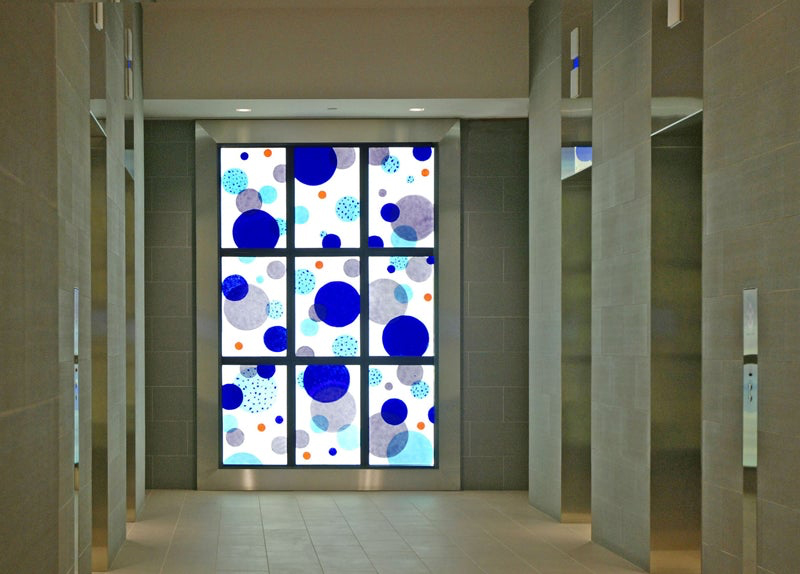
A true custom signage manufacturer collaborates with your design team and offers solutions that support your project vision rather than constrain it. This is particularly important in environments, such as lobbies, branded interiors, and experiential spaces, where signage is integrated into the architecture .
DSA provides custom signage solutions across our full product range, including LED light panels, backlit displays, fabric SEG systems, and digital signage. We manufacture each product to project specifications, allowing you to maintain control over design intent.
Criterion 5: ADA Compliance and Code Coordination
ADA-compliant signage is not optional in most commercial buildings. It is a requirement that carries legal and operational implications. From room identification signs to restrooms and exit pathways, noncompliance can result in failed inspections, delayed occupancy, and liability exposure.
When evaluating how to choose a signage company, assess whether the provider understands ADA signage requirements for commercial buildings and can support compliance as part of the specification process. This includes considerations such as tactile lettering, braille, mounting height, contrast ratios, and placement.
Beyond ADA considerations, exterior signage often requires local permitting. Municipal codes may regulate size, placement, illumination levels, and even color in some cases. A capable signage partner can help you navigate these requirements by coordinating with local jurisdictions and advising you on what is feasible within code constraints.
Why this matters: While signage is often one of the last elements to be installed, it is one of the first to be inspected. A provider who lacks code awareness can create downstream issues that affect project closeout.
Static vs. Digital Signage: Making the Right Specification Decision
One of the most common early decisions in architectural signage is whether to specify static, digital, or a combination of both. The right choice depends on how the signage will function within the space.
When static signage is the right fit:
Static signage is ideal for permanent wayfinding, room identification, and brand elements that do not require frequent updates. It provides consistency, durability, and typically lower long-term maintenance. Products such as LED light boxes for retail and architectural environments offer illuminated static solutions that combine visual clarity with design integration.
When digital signage makes sense:
In high-traffic environments, digital signage becomes valuable where content changes frequently (quick-service restaurants, transportation hubs, and retail promotional displays). It allows for real-time updates, dynamic messaging, and measurable ROI tied to content flexibility. Explore digital signage solutions for applications where adaptability is critical.
When projects require both:
Most large commercial buildings use a hybrid approach. Static signage handles wayfinding and permanent identification, while digital displays support dynamic content. Content and branding across both signage types should be consistent and align visually and functionally within the overall design.
A capable commercial signage partner can specify and deliver both static and digital systems cohesively, ensuring that the choice of technology does not fragment the architectural language of the project.
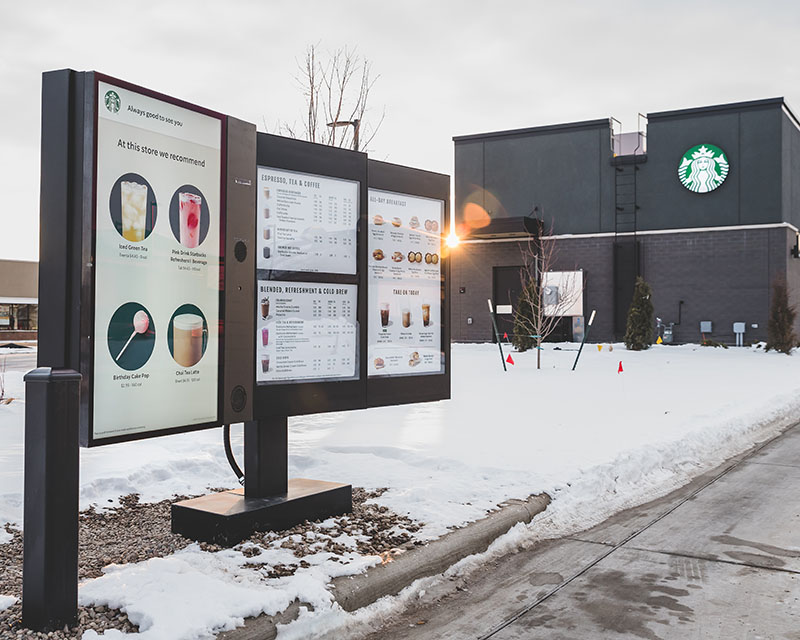
DSA offers a comprehensive range of signage solutions, including LED light boxes and fabric SEG displays for static applications. Our portfolio also includes digital menu boards and video walls, as well as fully integrated drive-thru solutions that combine both static and digital elements.
Questions to Ask a Signage Provider Before You Commit
When evaluating potential partners, asking the right questions reveals whether a provider can meet project requirements. These questions apply to any signage provider and can help you identify strengths and potential risks early:
- Are your illuminated products UL-Listed? Can you provide documentation for submittals and inspection?
- What is your standard lead time for each product type, and what expedited options are available?
- Can you produce custom sizes and finishes, or are you limited to standard catalog products?
- What level of installation coordination or support do you provide?
- How do you handle schedule changes or design revisions during production?
- What post-installation support do you offer for both digital signage and graphic updates?
Why the Right Signage Partner Matters
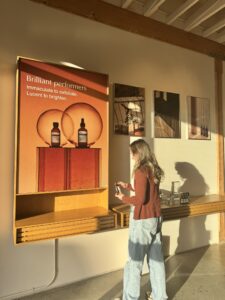
Signage for commercial buildings exists at the intersection of multiple disciplines: architecture, branding, code compliance, and construction. A provider who understands only one of these dimensions can create friction across the others. The right partner brings all of them together, ensuring that signage supports the project holistically.
This is where the distinction between vendor and partner becomes clear. A vendor delivers a product, but a partner contributes to the success of your project.
Partner With DSA on Your Next Project
If you’re evaluating a signage provider for architects on an upcoming project, engaging early in the design process creates the most value. At DSA, we work with architecture and design teams to develop US-manufactured, UL-Listed signage solutions that align with design intent, meet compliance requirements, and stay on schedule.
Explore DSA’s capabilities for this audience on our Architecture & Design page, or request a quote to start a project conversation. You can also contact us directly with project specifications, timelines, and design requirements. Our team will respond with detailed, project-specific guidance backed by more than 50 years of manufacturing experience. We feature a diverse engineering team, provide excellent customer service, and are accessible, responsive, and highly experienced.